
Western Kyzylkum
Navoiy & Nurata
Petroglyphs, sacred springs, and the gateway to the desert.
Best months
Typical stay
From Tashkent
Elevation
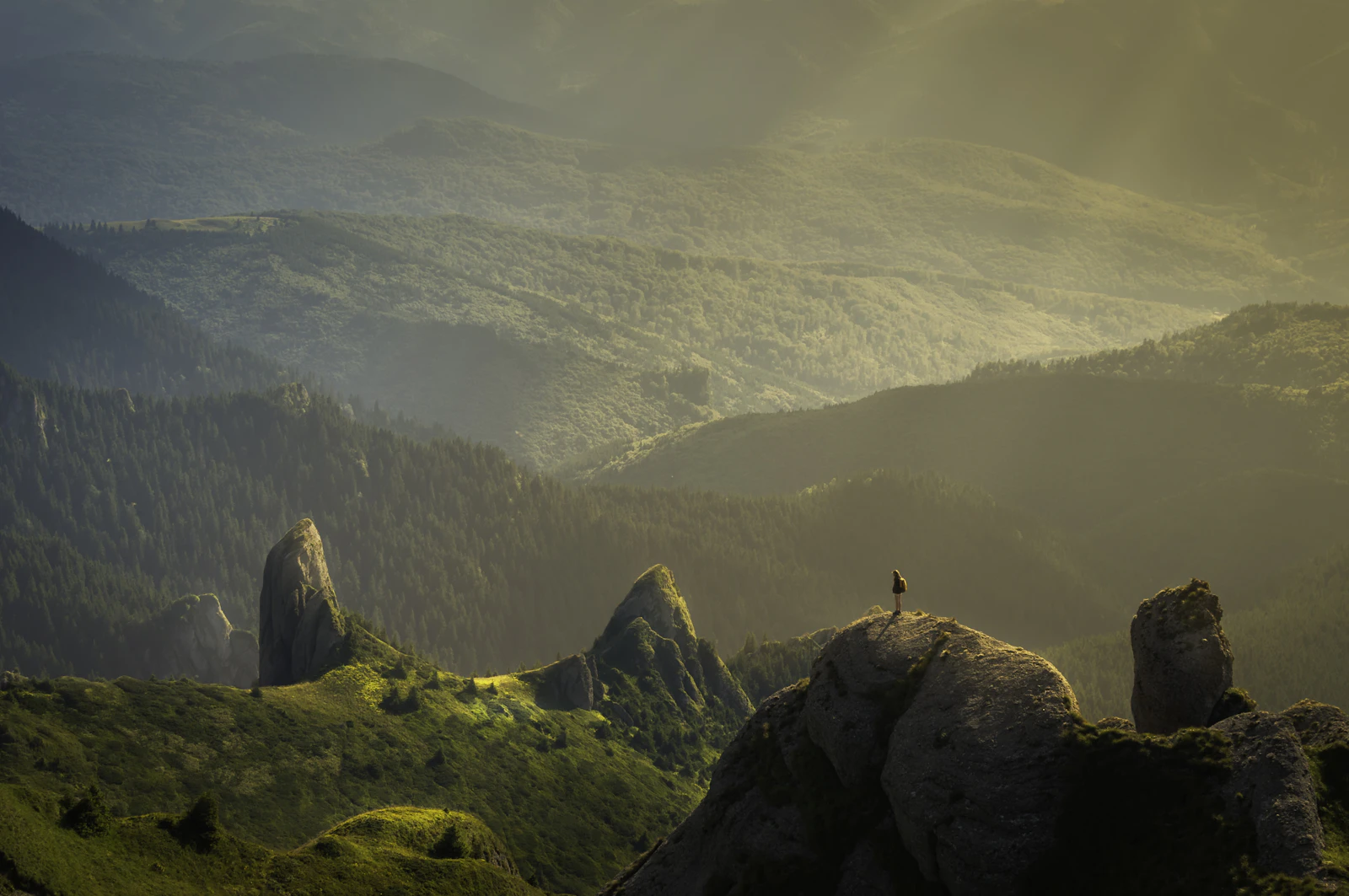
Named for the 15th-century Turkic poet Alisher Navoi, this region stretches from the Zarafshan River north into the Kyzylkum. Its highlight isn't the modern industrial city but the Sarmishsay canyon — one of the great open-air rock art galleries of Central Asia.
The Sarmish canyon holds more than 10,000 petroglyphs — the region's real treasure, not the modern industrial city.
History
A layered past
The Sarmish canyon holds more than 10,000 petroglyphs spanning the Bronze Age to the Middle Ages — deer, hunters, wagons, sun symbols. Nurata was Alexander's fortress on the desert edge; the modern city of Navoiy was built from scratch in the 1950s around a gold mine.
Best time to visit
When to come
April–May, September–October. The canyon is too hot in July.
What we do here
Ways to experience Navoiy & Nurata
01
Sarmish petroglyph canyon
A local archaeologist guides you through 4,000 years of drawings in one afternoon.
02
Nurata Chashma spring
Sacred fish, cool water, and a mosque courtyard shaded by ancient plane trees.
03
Sentob village
Homestay lunch on the way to the mountains.
Go next
Tours that go here
1 departure touching Navoiy & Nurata.
Pairs well with
Where travellers go next


Good to know
Questions travellers ask
Is Sarmish canyon guided?+
Yes — we bring a Samarkand-based archaeologist for the full-day visit.


